
Culture: Are Algorithms Designing Our Personalities?
TikTok and Instagram are definitely listening.

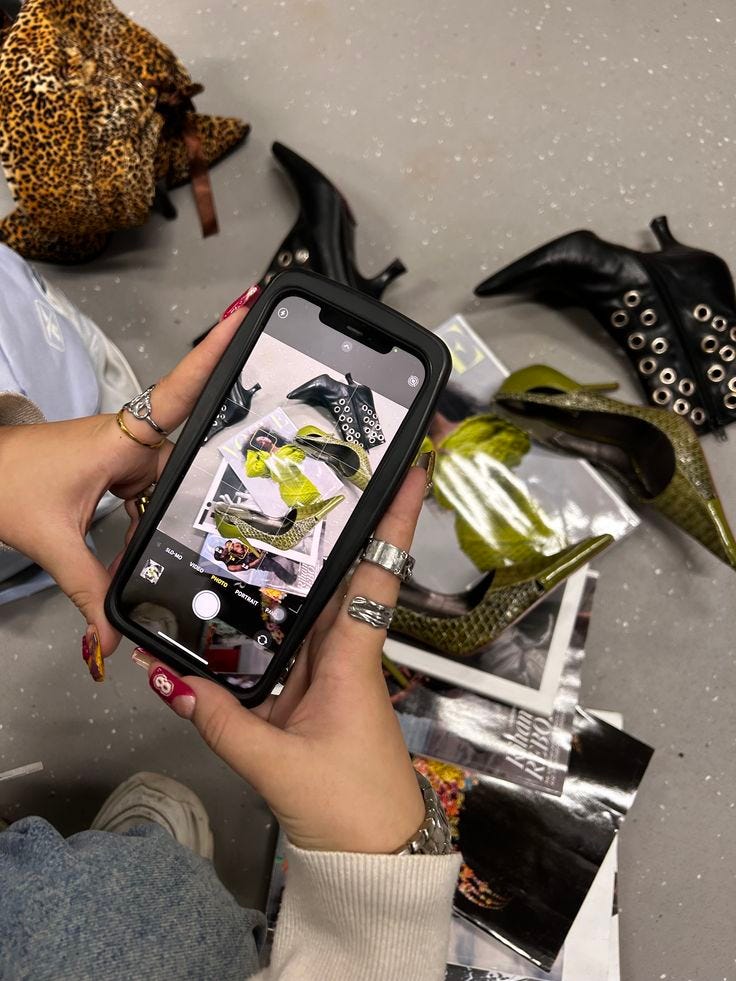
By Lauren Levesque
The death of personal taste and original thought seems to have left our brains–or perhaps we have lost this vital skill amongst growing technology and a lack of critical thinking. Technology has been on the rise since the 2010s. However, in recent years, social media has become a distinct entity. Coupled with a worldwide pandemic, social media has morphed into a new model that continues to expand every day since.
Our ‘taste’ or ‘creature comforts’ became something you select, not something built through genuine interest or, better yet, from scratch. Instead, traits or aesthetics are presented to us for us to choose. From ‘clean girl’, ‘quiet luxury’, and ‘coastal aunt’, etc., these identities are structured so one can just ‘immediately download’ them into our psyche. The morning routines, values, and social presentation associated with these personalities can be freshly plucked from our feeds and integrated into our daily lives. Individuality is not meant to be ‘shopped.’
As this social media culture continues to deepen, its ramifications can be seen across different areas of the industry. As these ‘personalities’ trend, there is a surge within fashion and beauty. These trends usually dominate our feeds for three to five months. With that, the rise of GRWM videos across TikTok and Instagram featuring ‘how to dress like old money’ or which products help emulate the ‘mob wife’ look turns into a fast-fashion nightmare based on achieving a pre-assembled identity.
The most recent example of this ‘bought personality’ was FX’s Love Story, which was people’s obsession. Individuals discovered CBK and her impeccable fashion, and for the duration of the show and a few weeks post, ‘how to dress like CBK’ or ‘how to achieve 90s minimalist fashion’ was inescapable on the internet. Magazines and influencers couldn’t resist attempting to assert control over how the masses dress and identify.
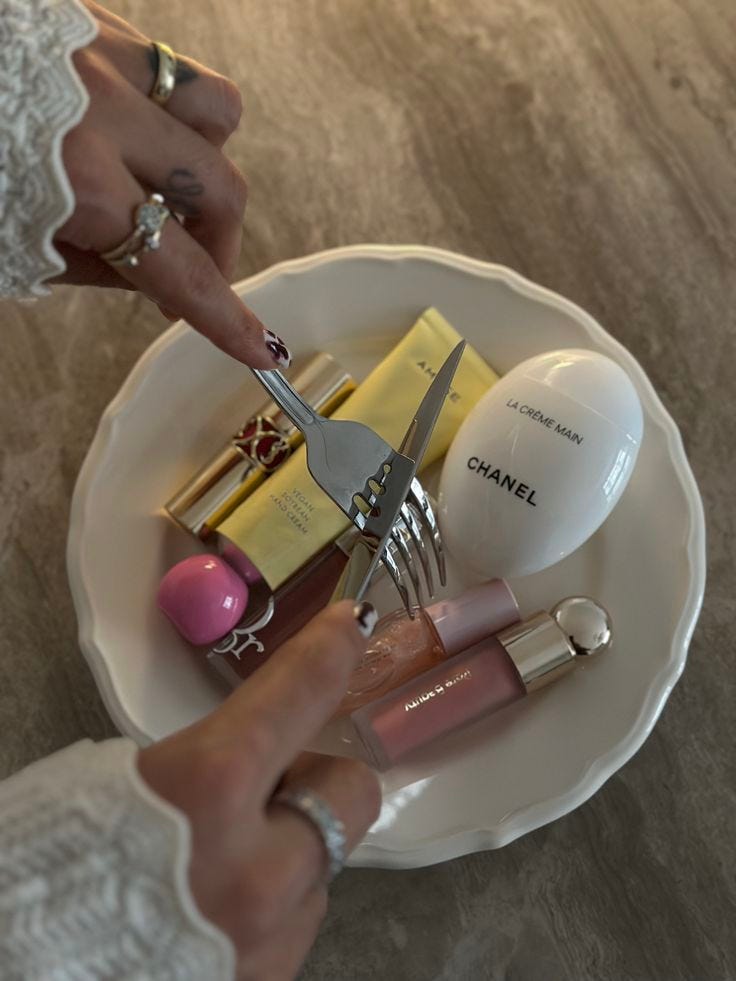
While we are all victims of doomscrolling and the illusion of control, the algorithm is smarter than all of us. Essentially, the more you see something, the more your brain tricks you into liking it. Usually, our eyeballs have just seen it enough times that our brain starts to think maybe we’re about this.
There is a difference between liking something and being the type of person who enjoys that thing. When holistic wellness was trending on TikTok through gua sha, no influencer dared to film their morning routine without theirs. This has made it nearly impossible to tell who partakes in the traditional Chinese medicine method because it grounds them, versus those who do it because they are in their ‘spiritual phase.’ Personal taste used to be the traits and habits that made you specific–the algorithm wants you to be a category.
Life is a sliding scale. From existing between morning yoga and another round of cocktails–it is all a mixed bag. Taste is about curation and individuality. An algorithm cannot make you interesting–but it can make you stupid.